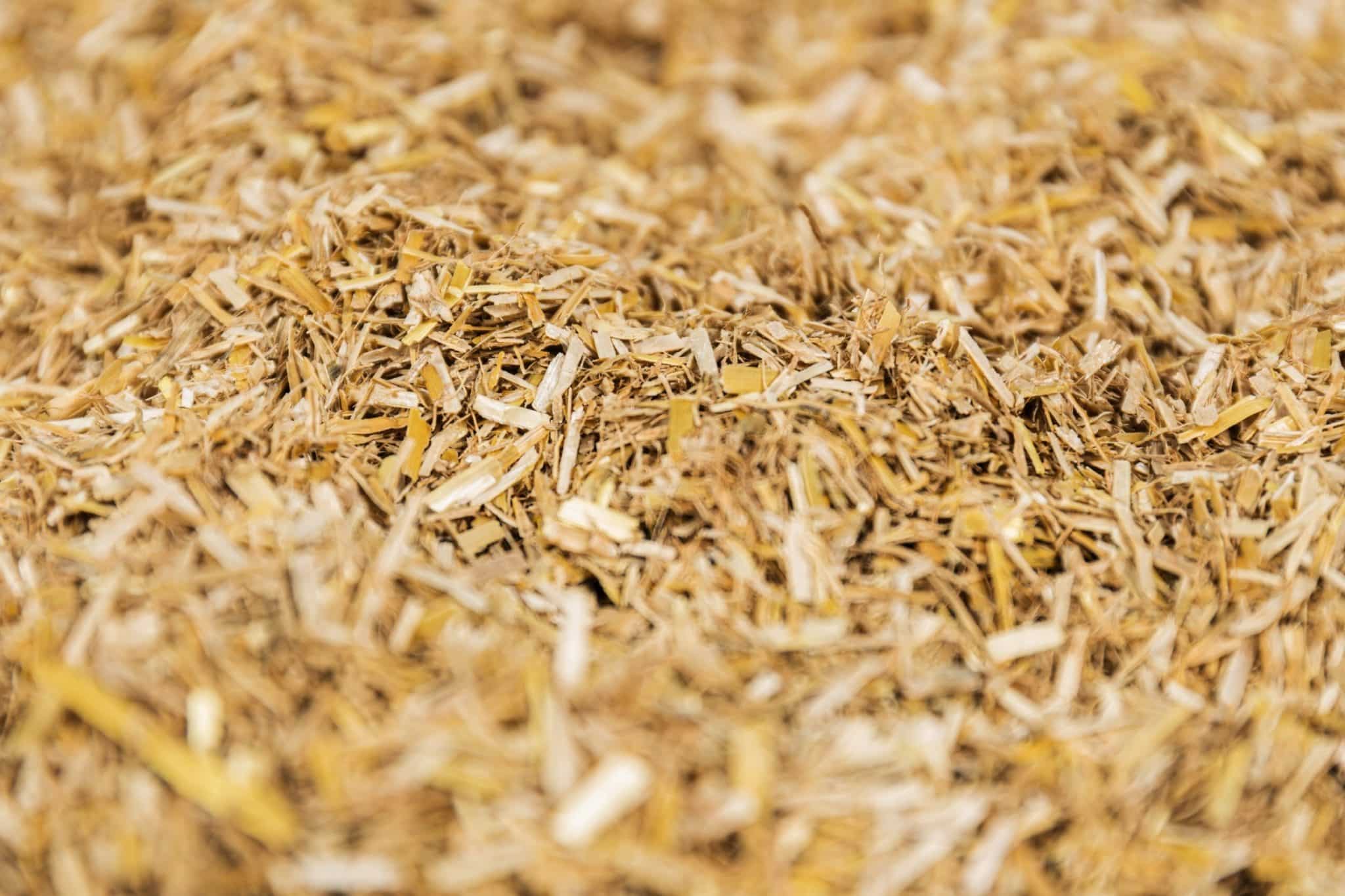
Biobased insulation offers significant advantages. Materials such as straw, hemp, and miscanthus are well aligned with the energy and CO₂-neutral targets for 2050 (National Performance Agreements), with minimal environmental impact. But how do these materials respond to changing weather conditions, and what is their impact on the indoor climate?
Takkenkamp Real Estate Sustainability Experts and Inscio
Inscio and Takkenkamp Groep are collaborating to investigate this. Through accurate measurements in practice, we are mapping the behavior of biobased materials in detail. We are monitoring biobased roof insulation with materials such as straw, hemp, and miscanthus at various locations in the Netherlands. Our measurements include indoor and outdoor temperature, humidity, temperature and humidity in the roof package, and the moisture content in the insulation material.
We use this data to analyze comfort scores and perform dew point analyses to assess the risks of condensation or mold growth.
WOnion
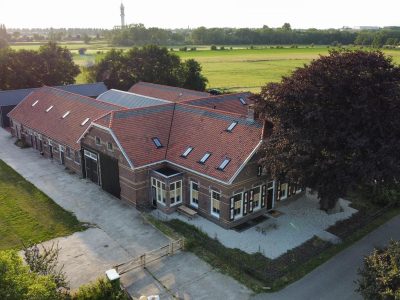
One example of our monitoring is at the Wonion housing association, where we are researching biobased insulation using local materials such as straw and hemp. This provides valuable insights into the performance of biobased materials in practical conditions.
Our approach contributes to the evidence that biobased insulation is not only sustainable, but also technically feasible. This is essential to convince critics of the effectiveness of biobased materials under the right conditions. In addition, our monitoring enables us to respond immediately to deviations, for example due to incorrect use of the home or maintenance issues, thanks to real-time access for both Takkenkamp Groep and our clients.
"To measure is to know: through accurate monitoring of temperature, moisture balance, and more, we provide concrete data that contributes to the evidence base and quality assurance of biobased insulation."