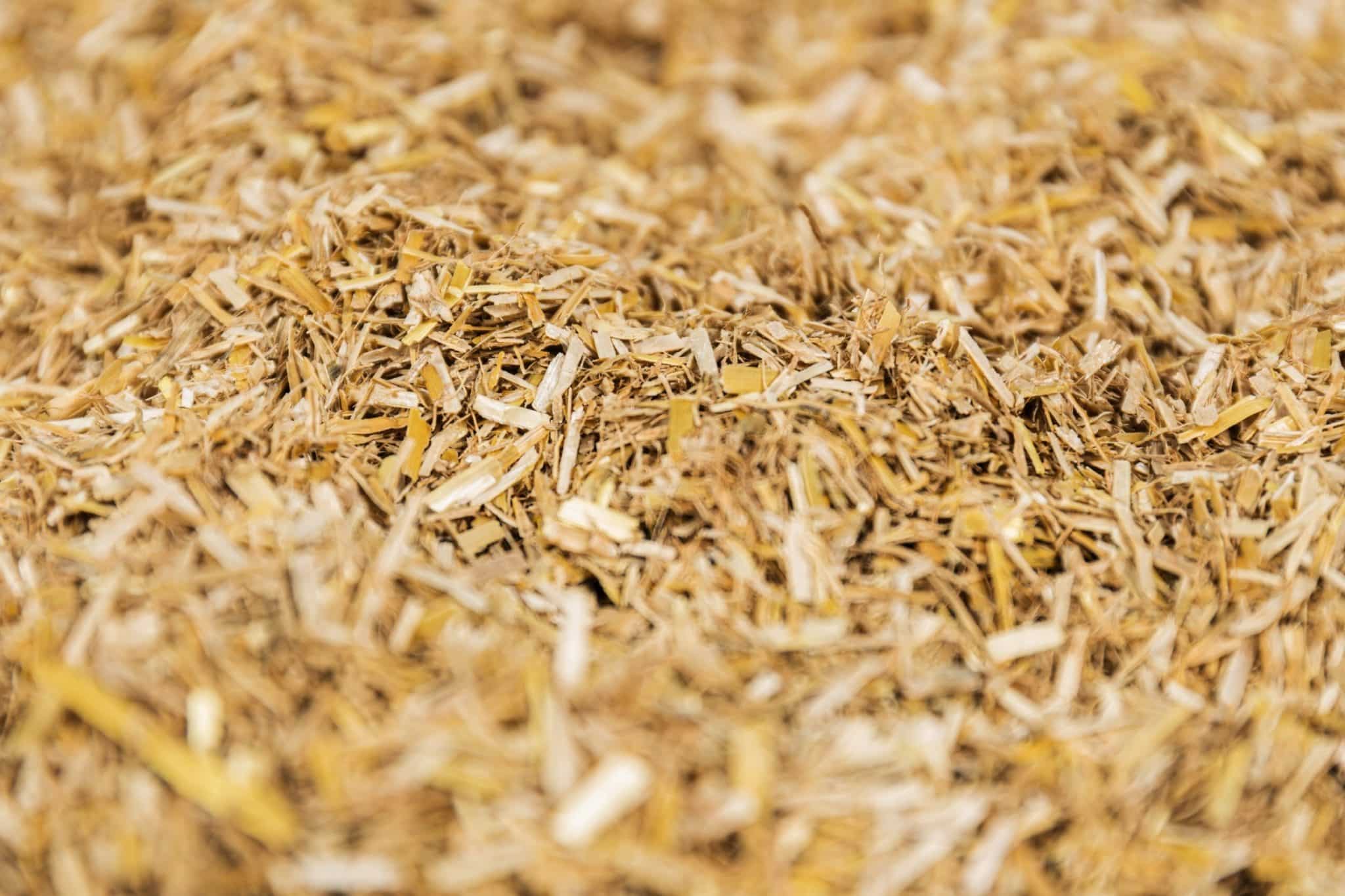
When I first heard about blown straw as insulation, sourced locally and with a short supply chain, I honestly had a lot of questions. Maybe even some reservations. What about moisture? Comfort? Long-term performance? Is it a logical choice?
Now I know better 🙂
Biobased Construction: Truly Measurable
Biobased construction is promising and is becoming increasingly commonplace. The use of natural materials such as straw and hemp fits in well with circular ambitions and ensures a low environmental impact. But anyone who opts for biobased also wants to be sure that it works. How does the material perform in the long term? Does it remain comfortable indoors? Are there any moisture problems? And how do these natural materials behave during the summer heat?
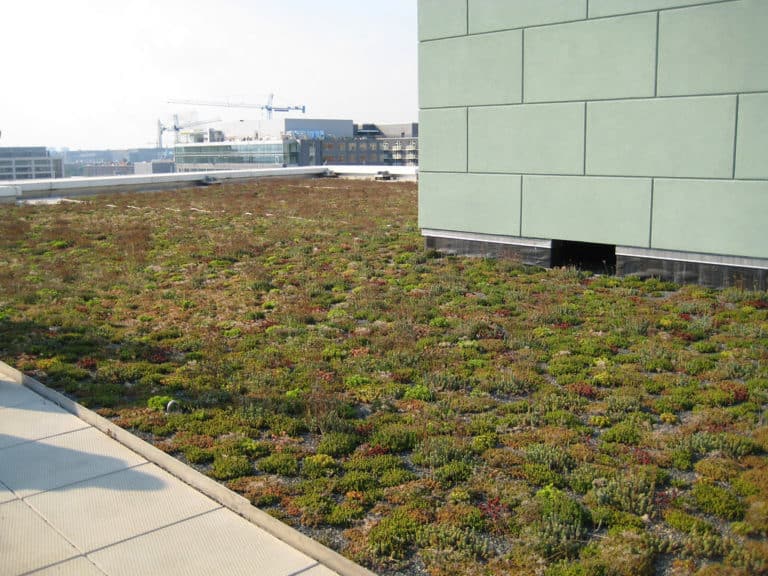
At Inscio, we provide substantiation and measure in practice. We map performance and reveal what would otherwise remain hidden. We explicitly compare biobased insulation with traditional insulation materials, such as PIR or EPS. We also analyze the influence of different roof finishes, such as tile roofs, green roofs, or roofs with PV panels. Only this combination provides a fair and objective picture of performance.
What do WE measure?
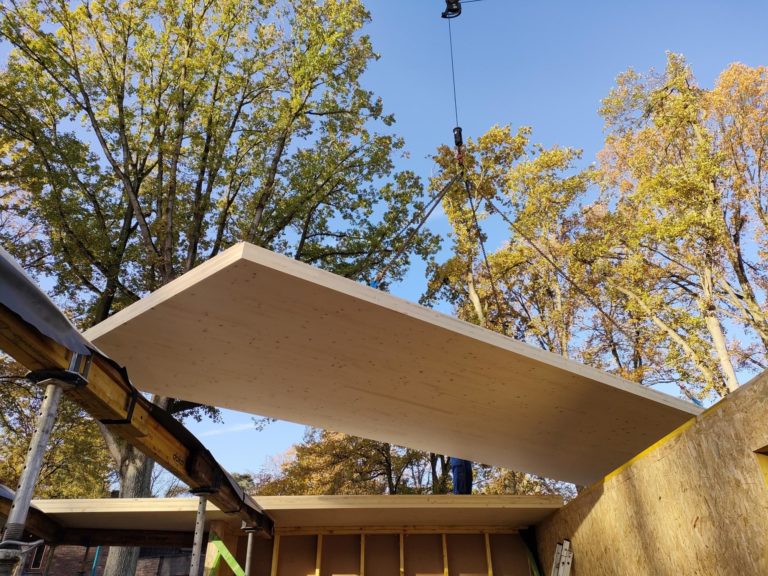
At various locations in the Netherlands, we monitor sloping roofs with different insulation structures and roof finishes. Depending on the project, we measure:
- Outside temperature and humidity
- Indoor temperature and humidity
- Moisture and temperature in bio-based insulation material
- Humidity and temperature in crawl spaces
Sustainable construction requires not only good intentions, but also evidence. Real impact begins with measurement.
And what does that achieve?
We collect the data and translate it into dashboards and KPIs. This gives our customers insight into:
- Comfort score: How stable and comfortable is the indoor climate?
- Dew point analyses: Is the dew point exceeded in the roof package? Is there a risk of condensation or mold?
- Comparisons: How do biobased insulation materials perform compared to traditional insulation such as PIR or EPS? What influence do different roof finishes such as tiles, green roofs, or PV have?
- Phase shift: Does the roof slow down heat transfer during summer heat, and if so, how? And does this differ between different materials and roof types?
Conclusion: measurement makes biobased construction future-proof
The transition to biobased insulation is valuable—for the environment, the construction industry, and society. However, natural materials require monitoring. Only with data from practical applications can we gain real insight into how these materials perform. By comparing biobased insulation with traditional insulation, and taking into account the role of roof finishes such as tiles, greenery, or PV, we can obtain a well-founded picture of their performance.
A customer case study: Takkenkamp Group
We will soon be sharing a customer case study that we are creating together with Takkenkamp Groep, so keep an eye on our news items!