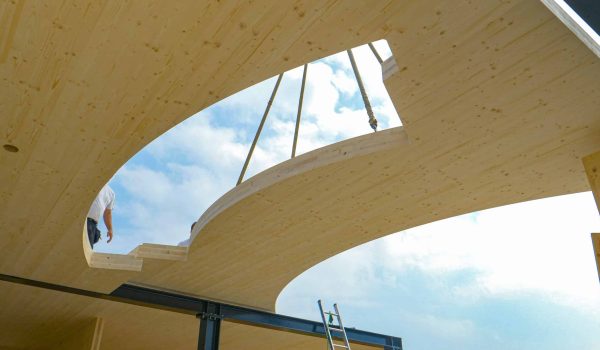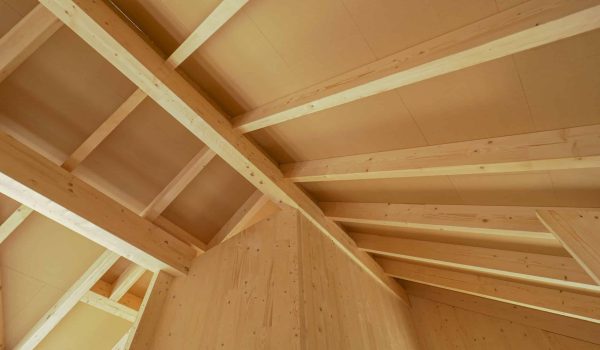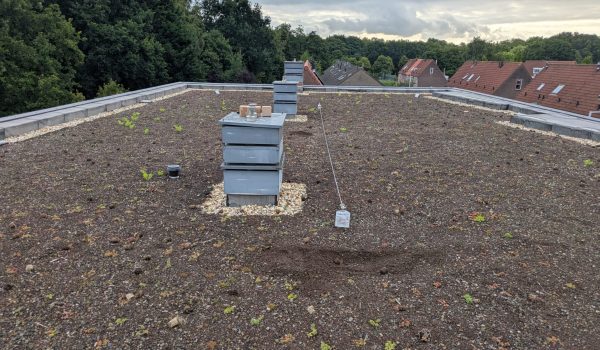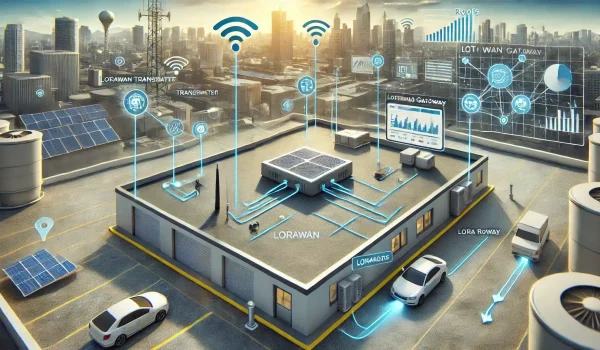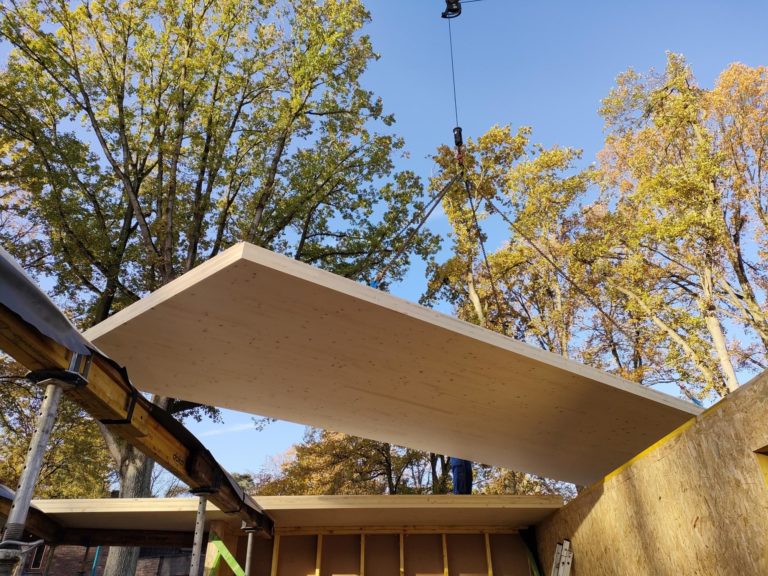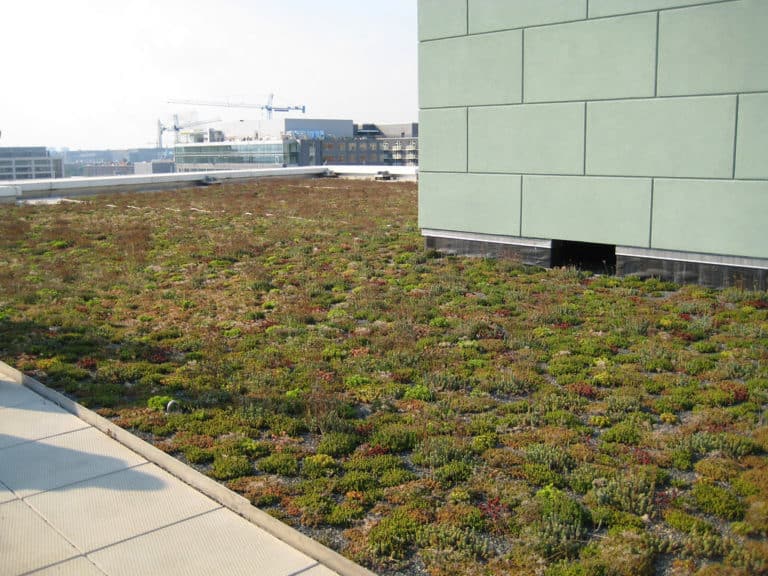
The roof during construction
Roofs during the construction phase: water and risks under control
During the construction phase, the roof is often not yet completely waterproof, materials are stored temporarily, and the load changes continuously. Inscio shows how water, moisture, and temperature behave on and inside the roof, so that risks remain manageable before leaks or other damage occur.
Why roofs are so vulnerable during the construction phase
During the construction phase, the roof is not a quiet, isolated part of the building, but a dynamic work site:
- the roofing is temporary or has not yet been fully installed
- rainwater drains have not yet been permanently connected or have been (partially) closed off
- material is stored on the roof
- ballast or installations are temporarily positioned differently than in the design
- construction logistics causes varying concentrated loads
Combined with rain, wind, and temperature differences, this leads to risks of water accumulation, moisture in the roof structure, and leaks. Without insight into what is happening on the roof, these risks remain invisible until something goes wrong.
What does Inscio measure?
What Inscio measures on and in the roof during the construction phase
Moisture in the roof structure
- moisture accumulation in insulation and underlayments
- effect of temporary leaks or damaged roofing
Temperature and dew point
- temperature differences across the roof surface
- risk of condensation in the roof structure
- link between outdoor climate and indoor conditions
Critical details and implementation
- areas around rainwater drains
- connections between upstands, roof edges, and skylights
- implementation for installations (temporary and permanent)
Typical risks on roofs during the construction phase
Inscio observes that the same patterns recur regularly in construction projects:
- Water that remains standing due to temporary blockages or lack of drainage
- Roofing that is not (yet) completely waterproof, with moisture seeping into the structure
- temporary storage of materials (pallets, insulation, installations) that causes extra load and deflection
- damage to vapor barriers and details that lead to condensation and leaks at a later stage
- insufficient insight into the combinations of rain, snow, and construction phasing, resulting in the roof having to bear more weight than anticipated
- Many of these risks are visible early on in data, but much less so with the naked eye or an occasional inspection.
Visually


- From ad hoc inspections to continuous risk management
What Inscio adds to the construction site
Real-time insight
Sensors continuously record water level, moisture, and temperature. The behavior of the roof becomes visible, even when no one is standing on it.
Automatic signaling
The software recognizes abnormal behavior, such as rising water levels or moisture buildup, and sends notifications as soon as threshold values are exceeded.
Informed decisions
Instead of relying on gut feeling, decisions are made based on when intervention is needed: additional emergency drainage, relocation of storage, repair of details, or accelerated finishing.
Digital quality file
You use data to demonstrate that you have actively and promptly addressed risks.