Measuring in CLT: how do we make something beautiful demonstrably good?
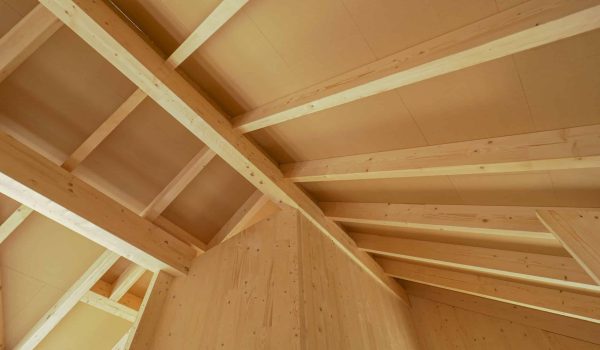
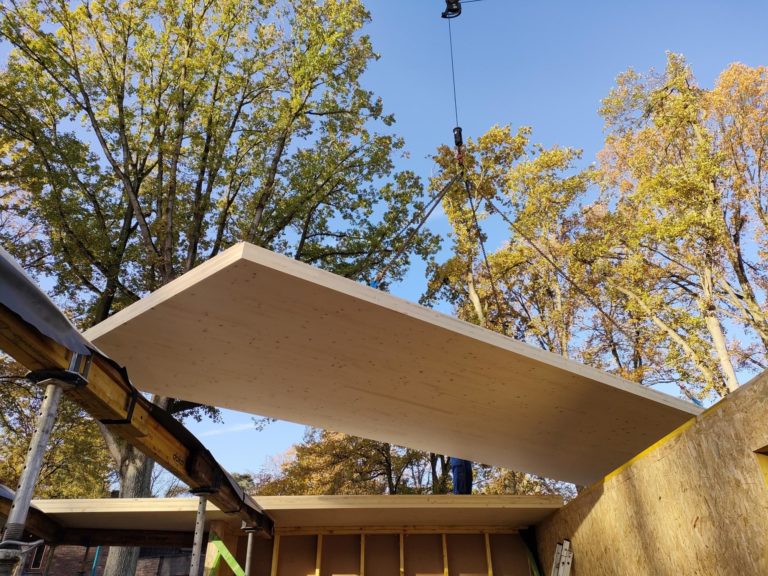
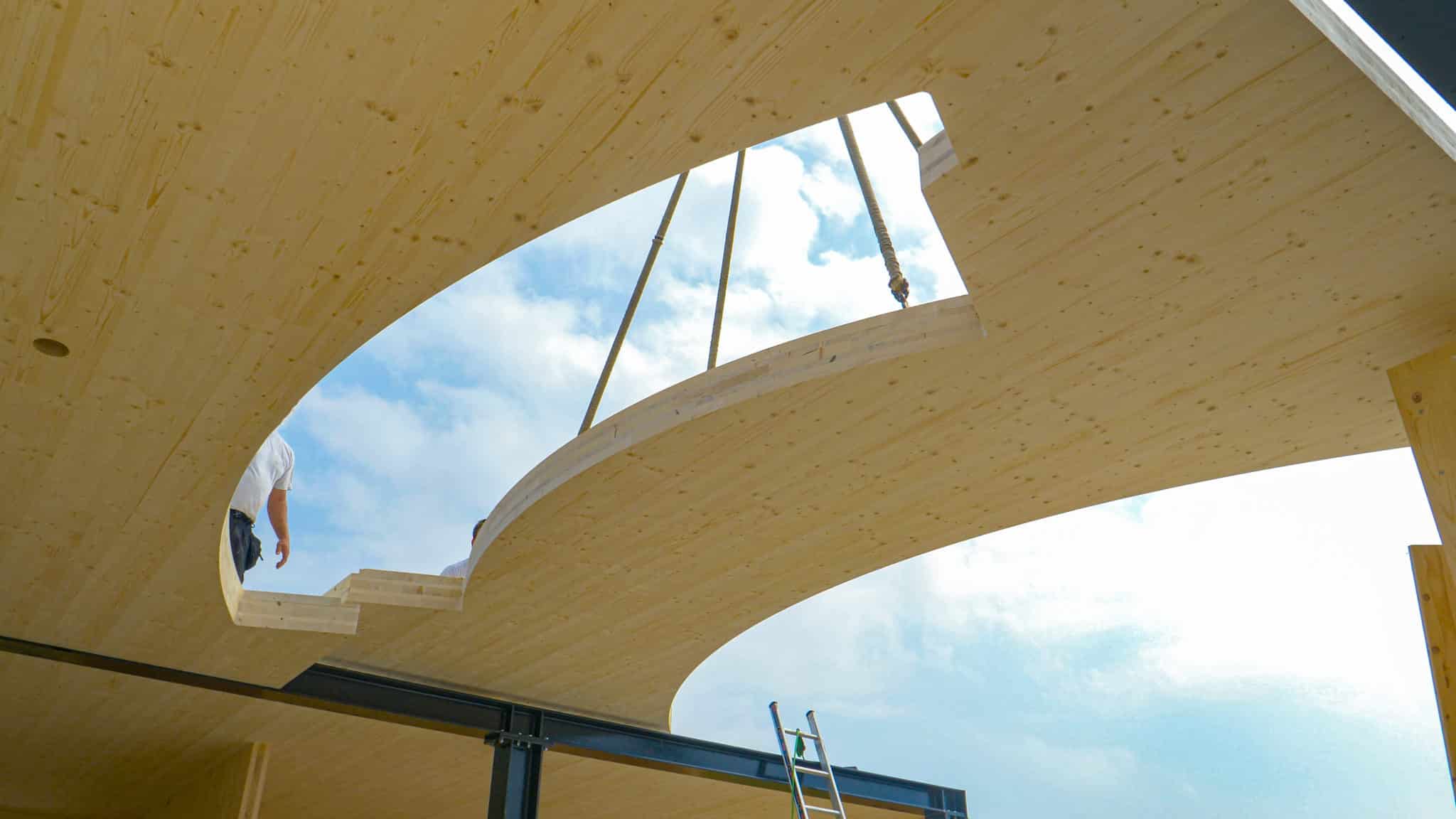
CLT has something special. The material can be explained not only technically, but also emotionally. Wood brings peace, warmth, and a pleasant feeling. It fits in with a time when we want to build differently: lighter, more sustainable, and with respect for raw materials. It is no coincidence that more and more impressive projects are being built in CLT—from homes to schools and offices.
When something good must remain good
But precisely because CLT has such a strong story, it is important to remain vigilant. Not about the material itself, but about the way we handle it. Because the question is not whether CLT is good. The question is: how do we ensure that it stays good?
CLT is wood. And wood is a living material. It reacts to moisture, temperature, and use. This happens during construction, but it also continues afterward, often for years. What is still too often lacking in practice is insight into what actually happens in the structure. We rely on experience and assumptions—while in wood construction, in particular, reality cannot always be predicted.
“Thanks to Inscio's sensors, we can clearly see how much moisture the wood is exposed to during the construction period.” Taco Valstar – ERA Contour
Measuring does not start with technology, but with conversation
That is why better construction starts with understanding. And understanding starts with measurement.
That measurement does not start with technology, but with discussion. Together with the client, we first look at the building: where are the vulnerabilities, where do functions intersect, which parts of the structure will soon disappear from view?
It is essential to distinguish between the structure itself and the spaces used within it—residential, office, or other functions. Equally important, the construction phase requires a different perspective than the operational phase. What is acceptable during construction may become a risk during use.
From insight to a well-thought-out measurement plan
This conversation does not result in a standard measurement plan, but rather a well-thought-out layout and installation plan. Measurements are taken in a targeted manner, in places where it really matters. Not to monitor everything, but to understand what cannot be checked later on.
Data for quality management
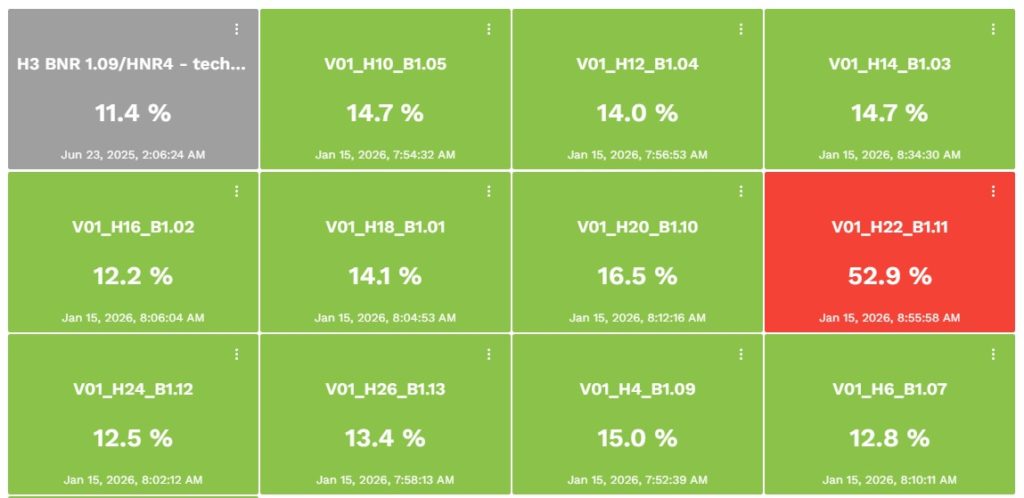
As construction progresses and data comes in, measurement changes from a tool to a control instrument. Values increase or lag behind. Some deviations are logical: facades are still open, details are not yet finalized, the building is still under construction. Other signals require attention.
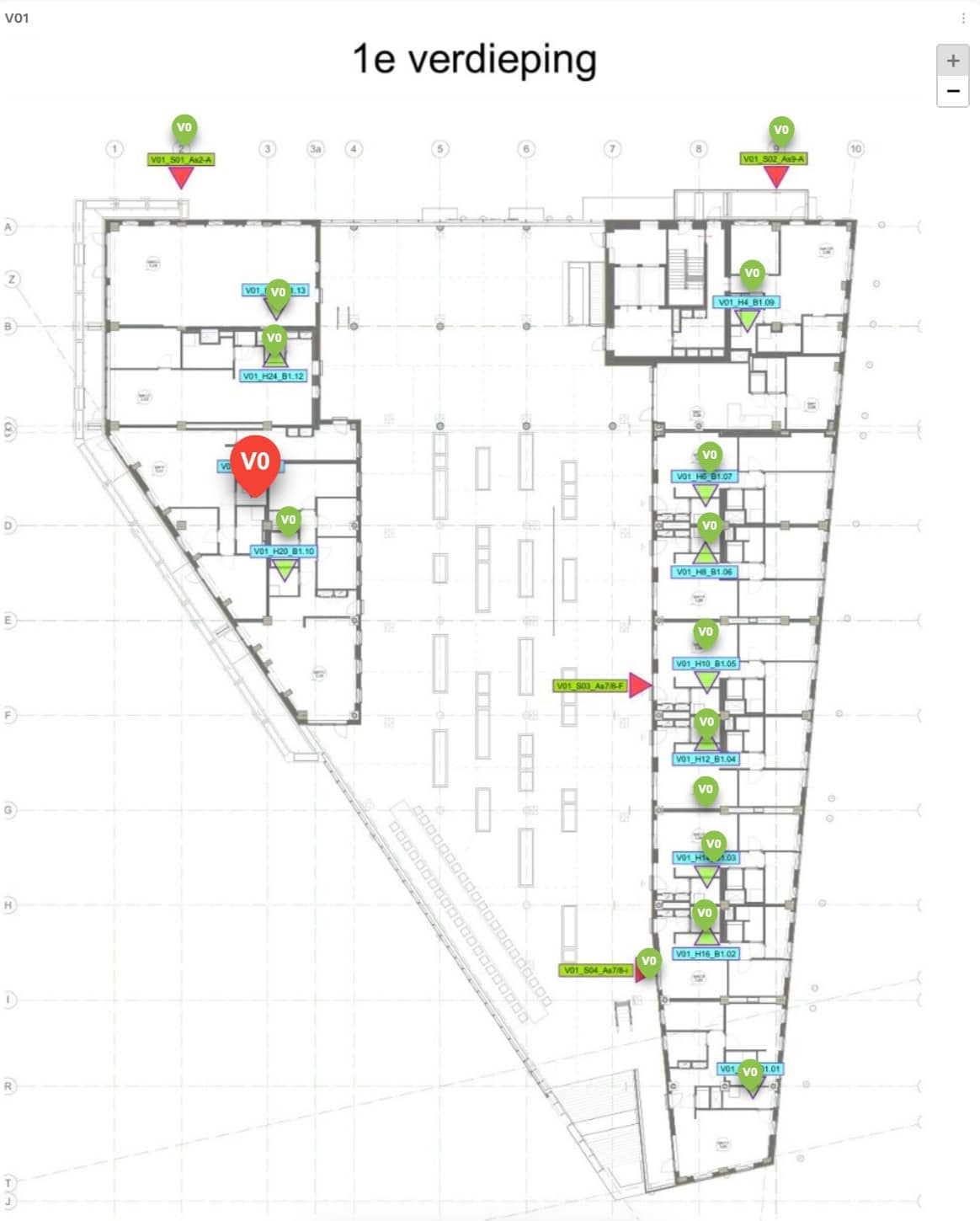
“We pushed the snow aside and saw the problem. We would never have discovered it without Inscio.”
Understanding differences instead of fighting them
The difference between the two is crucial. This is where quality management based on facts rather than feelings comes into play. Problems are not discovered after the fact, but recognized and interpreted in the moment. This phase is often underestimated, even though it yields enormous benefits — both for the project and for the collaboration.
Deliver with evidence rather than assumptions
That story does not end upon completion. On the contrary. The collected data forms the basis for a quality file that shows what has happened, what deviations have occurred, and how they have been resolved. This gives the building a memory.
After completion, many components disappear behind finishes, ceilings, and floors. This is precisely where active monitoring provides peace of mind. Not because there is constantly something wrong, but because you know that you would see it if there were. The building is not only delivered, but also guided in its use.
CLT deserves measurement
CLT is wonderful. That is beyond dispute.
But only when we combine it with insight, data, and attention to risks can we make timber construction truly future-proof. Measurement does not make it more clinical or technical—it makes it fairer, calmer, and better substantiated.