Benefits of Monitoring Moisture and Contamination in Gutters and Snow Depth on Roofs
In today's world, where technology plays a crucial role, monitoring moisture levels and contamination in gutters, as well as snow depth on roofs, has become an innovative and necessary tool for maintaining buildings and infrastructure. This article highlights the many benefits of this technology, which can not only extend the life of roofs but also prevent damage.
1. Just-in-Time Monitoring
Sensors that monitor moisture levels and contamination in gutters, as well as snow depth on roofs, provide owners and managers with real-time insight into the condition of their roofs. This means they are immediately aware of any problems, such as clogged gutters, dangerous snow accumulation, or the presence of contamination. By responding early to signs of water accumulation in the gutter or excessive snow load, they can prevent costly damage to the building. This "just-in-time" monitoring ensures that maintenance is carried out at the right time, preventing long-term damage and expensive repairs.
2. Prevention of Damage
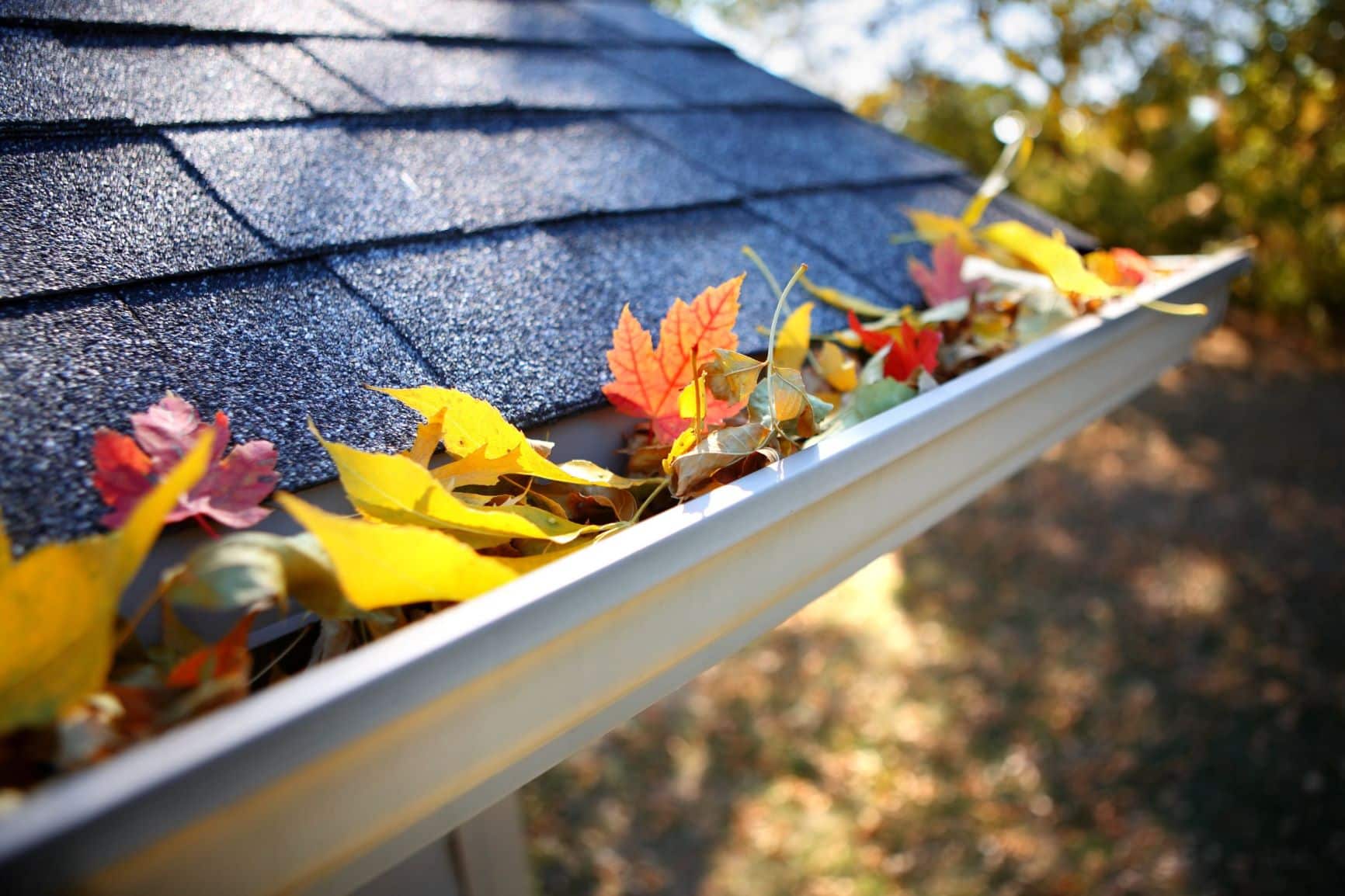
Monitoring the moisture level in gutters is crucial for rainwater drainage. When these gutters become clogged, water can accumulate and lead to leaks, which can cause serious damage to the structure of a building. In addition, snow accumulation on roofs can lead to collapse risks or other structural damage. Measuring debris in the gutter also helps to ensure the quality of the water running off the roof, which is essential for protecting the environment. By using sensors that monitor these factors in real time, owners can take proactive action before the situation becomes critical. This minimizes the risk of damage that is often costly and time-consuming to repair.
3. Cost savings
Although the initial investment in sensors and monitoring systems may seem significant, the long-term savings can be enormous. Preventing major repairs and reducing the need for frequent inspections and maintenance can significantly lower overall operating costs. In addition, the data collected by the sensors provides valuable insights for future maintenance plans, which helps with budgeting and making informed decisions.
4. Access to Data and Analyses
Sensors for monitoring moisture levels and contamination in gutters, and snow depth on roofs, not only provide real-time monitoring, but also collect valuable data that can be analyzed. This data reveals trends and patterns in water drainage, maintenance needs, snow load, and contamination, which helps optimize maintenance plans and improve the overall efficiency of building management.
Conclusion
Monitoring moisture and debris in gutters and snow depth on roofs offers numerous benefits, from preventing damage to saving costs. By embracing this technology, owners and managers can not only ensure the integrity of their buildings, but also contribute to more efficient management. It is a smart investment in caring for your property and reducing long-term risks.